
The Complete Guide to Choosing Wall Sconces & Planning the Electrical Rough-In
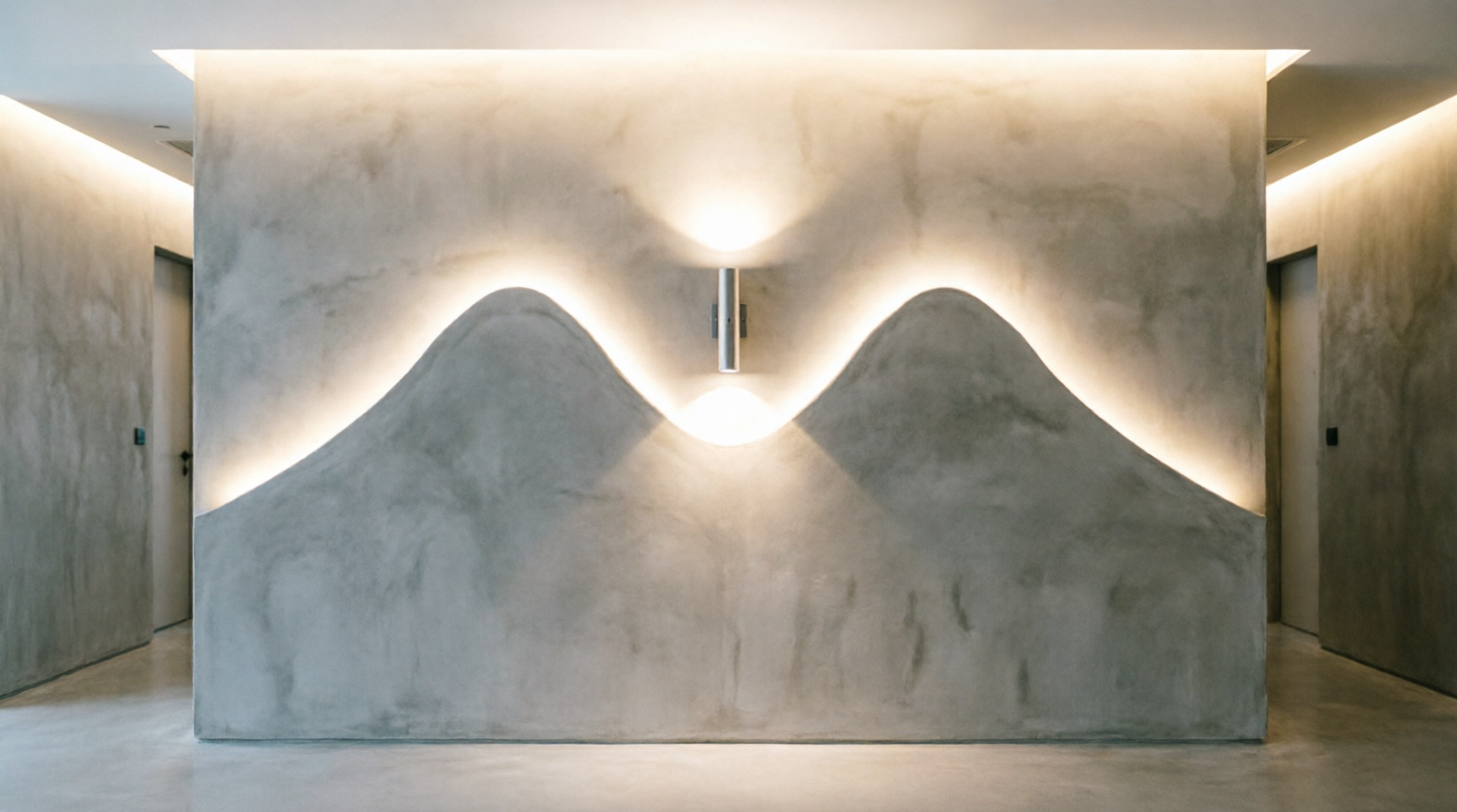
Table of Contents
A practical, no-nonsense wall lamp and sconce light checklist—from CRI and color temperature to junction boxes, neutral wires, glare control, and installation details.
Hello, lighting lovers—we’re the SconceHaus team.
Based in Zhongshan, Guangdong—one of China’s best-known lighting manufacturing hubs—we have focused on wall lights since 2014. Our team supports importers, wholesalers, distributors, retail brands, hospitality projects, and project customers across the U.S., Africa, and other markets with 1,000+ wall lamp designs, ODM/OEM development, sampling, quality control, packaging, and market-specific compliance support.
There is an old lighting-industry saying: “The ceiling light sets the tone; the wall sconce gives the room its soul.” A wall lamp may use only a few watts, but it can transform the warmth, depth, and perceived quality of a space. It can also go badly wrong: harsh glare that feels like an interrogation room, flimsy finishes that cheapen the interior, or a finished wall with no wiring—forcing an exposed cable across the surface.
This guide turns hands-on wall-light experience into a clear buying and rough-in checklist. Use it when comparing modern wall sconces, coordinating with your electrician, or reviewing a lighting plan before the walls are closed.
Part 1 | Six Specifications That Matter More Than Wattage
Many buyers start with two questions: “How many watts?” and “Can it be cheaper?” Wattage measures power consumption—not overall quality, comfort, or usable brightness. For a dependable wall sconce, check these six specifications.
- Color Rendering Index (CRI/Ra): what makes a room look refinedIn plain English: CRI describes how accurately a light source reveals the colors of skin, furniture, art, and finishes.
Pro tip: For residential wall lighting, specify CRI/Ra 90 or higher. For bathroom vanity lights, makeup lighting, and mirror sconces, choose CRI 95+ or a high-quality full-spectrum option. A low-CRI LED can make skin look dull or yellow; a high-CRI sconce light produces more natural, flattering color.
- Color temperature (Kelvin): what creates the moodIn plain English: Kelvin (K) describes whether white light appears warm, neutral, or cool.
Pro tip: Use 2700K-3000K warm white for bedroom wall sconces, bedside reading lights, and relaxed living spaces. Use 3500K-4000K neutral white for hallways, entries, bathrooms, and home offices where clarity matters. Avoid 6000K cool white in most homes: it often looks blue, stark, and inexpensive. Keep color temperature consistent within one visual zone.
- Flicker: the invisible form of poor-quality lightIn plain English: Poor LED drivers may pulse rapidly even when the flicker is difficult to see.
Pro tip: Ask whether the LED driver is an isolated constant-current driver and whether the product is tested for low or no visible flicker. Ultra-cheap capacitive-dropper circuits are more likely to flicker and deliver unstable performance.
- Glare control and UGR: what keeps a wall light comfortableIn plain English: Glare happens when a bright LED or reflector is directly visible from normal viewing angles.
Pro tip: For directional wall lamps, spotlights, downlights, and hallway sconces, look for a deep-set light source, shielded optic, diffuser, or “deep anti-glare” design. The goal is to see the effect of the light—not a painfully bright LED point.
- Luminous flux (lumens): the real measure of light outputIn plain English: Watts measure energy use; lumens (lm) measure emitted light.
Pro tip: Efficient LEDs and a good driver produce more useful light per watt. Accent wall lamps usually do not need to be extremely bright; many 3W-7W integrated LED wall sconces are sufficient when their beam and placement are well planned. Always compare lumens and beam pattern, not watts alone.
- Thermal management, LED chips, and drivers: what determines service lifeIn plain English: Heat is one of the biggest enemies of LED longevity.
Pro tip: Choose a substantial aluminum housing or another design with a credible heat path. Thin steel and poorly ventilated plastic can trap heat. Ask for the LED chip and driver specifications, warranty, replaceability, and thermal design—not just a brand name.
Part 2 | The Right Wall Light for Six Common Spaces
A wall sconce should be selected for its location. The right beam, output, finish, controls, and ingress protection vary dramatically from room to room.
- Bedroom and bedside: Choose a downlight-only bedside wall lamp or an adjustable swing-arm wall sconce so light lands on the book rather than in the reader’s eyes. A touch switch, dimmer, or compatible smart control is worth prioritizing. For renters or rooms without a junction box, a plug-in wall sconce may be practical; for a cleaner permanent installation, choose a hardwired wall sconce.
- Hallway, corridor, and entryway: An up-and-down wall light creates a sculptural wash—often called a double-ended or bi-directional wall sconce—and can visually increase ceiling height. Keep the fixture projection under about 4 in. (10 cm) in tight circulation zones to reduce bumps. Choose shielded optics for glare-free hallway lighting.
- Bathroom mirror and vanity: Install bathroom wall sconces on both sides of the mirror when possible; a single light above the mirror can cast shadows in the eye sockets. Specify CRI 95+, approximately 4000K, and corrosion-resistant aluminum or 304 stainless steel. Confirm the appropriate damp- or wet-location rating for the exact installation zone and local code.
- Living-room feature wall: Decorative wall lighting is the priority. Near a television, use a low-output concealed linear wall light or a warm 2700K-3000K wall wash to limit screen reflections. Behind a sofa, a statement brass wall sconce, glass wall lamp, or modern minimalist wall light can function as both lighting and décor.
- Staircase and steps: Recessed step lights are usually the cleanest option. Light must be directed firmly downward so it illuminates the tread without shining into the user’s eyes. Consider motion-sensor or microwave-radar control for hands-free, energy-efficient stair lighting.
- Outdoor walls, porch, and garden: Choose an outdoor wall light rated IP65 or higher when the fixture is exposed to weather. Look for thick die-cast aluminum, exterior-grade powder coating, sealed gaskets, stainless fasteners, and surge/lightning protection in the driver. Confirm the required wet-location listing and local electrical code before installation.
Part 3 | Electrical Rough-In & Installation: The Non-Negotiables
If your renovation is still at the plumbing-and-electrical rough-in stage, this is the ideal time to finalize wall-sconce locations and wiring. Give the following instructions directly to the site supervisor and electrician.
Instructions for the electrician and site supervisor
- Position every junction box preciselyIn plain English: The electrical box determines the final location of a hardwired wall sconce.
Pro tip: For bedside wall lamps, coordinate the box with the actual bed, headboard, nightstand, and fixture backplate. The source guide suggests 25.5-29.5 in. (65-75 cm) above finished floor for some bedside layouts, 59-63 in. (1.5-1.6 m) for many hallway sconces, and 12-16 in. (30-40 cm) above a stair tread for recessed step lights. These are starting points—not universal rules. Verify fixture dimensions, user height, accessibility requirements, local electrical code, and the final furniture plan before rough-in.
- Provide a neutral conductor where smart controls require oneIn plain English: Many smart switches and smart wall sconces need line, load, neutral, and ground at the control or fixture box.
Pro tip: A no-neutral smart switch paired with a very low-wattage LED may glow, pulse, or flicker when “off.” Confirm the selected control’s wiring diagram before the walls are closed. Never use grounding conductors as neutrals.
- Allow enough box depth for the driver and connectionsIn plain English: Integrated LED sconces may include a driver, connector, and additional wiring behind the mounting plate.
Pro tip: Do not assume a shallow box will fit. Confirm the fixture’s backplate and box requirements before rough-in. Where local products use 86-type boxes, the source guide recommends considering a 70-80 mm-deep box instead of a standard 50 mm box. In North America, use a listed box and box fill that comply with local code and the fixture instructions.
- Choose the fixture before finishing the wallIn plain English: The backplate, mounting holes, driver cavity, and cable entry must align with the finished surface.
Pro tip: If the feature wall includes wood panels, stone slabs, tile, or other cladding, finalize the wall lamp dimensions before carpentry or stone fabrication. Otherwise, the box may be hidden, the cutout may not align, or an unattractive gap may remain around the wall sconce.
Buyer details that are easy to miss
Safety note: Electrical work should be completed by a qualified electrician in accordance with the fixture instructions and all applicable local codes. Installation heights in this guide are planning references, not code requirements.
- Up-and-down wall lights reveal every wall defectIn plain English: A grazing beam acts like a magnifying glass for uneven plaster, ripples, and sanding marks.
Pro tip: Tell the painter or plasterer exactly which walls will receive wall-wash sconces. Check flatness with a long straightedge and inspect the surface with a flashlight held close to the wall before the final coat.
- For swing-arm sconces, inspect the jointsIn plain English: The arm may look elegant when new but sag if the hinge is weak.
Pro tip: Choose a metal friction or damping joint with smooth movement and sufficient holding force. Low-quality plastic joints often loosen, leaving the lamp head unable to stay in position.
- Use the right sealant in bathrooms and exterior locationsIn plain English: Water can enter where the fixture meets tile, masonry, or siding.
Pro tip: Where sealing is permitted by the manufacturer, use a compatible mold-resistant neutral-cure silicone around the specified edges. Avoid acidic-cure sealant that may corrode metal. Do not seal drainage paths or weep holes, and follow the fixture manual and local code.
- Test every circuit before final installationIn plain English: A continuity and functional test is much easier before the wall lamp is mounted and the project is handed over.
Pro tip: After painting but before installing the final sconces, have the electrician safely verify power, switching, dimming compatibility, grounding, polarity where relevant, and smart-control operation on every wall-light circuit.
The SconceHaus Bottom Line
Buying a wall lamp is really about creating a comfortable light environment and choosing components that will remain dependable. Do not let an eye-catching shape distract from glare, color quality, thermal management, driver quality, mounting requirements, or serviceability.
Use this guide to review the lighting plan with your contractor and to ask suppliers specific questions. Whether you are comparing bedroom wall sconces, bathroom vanity lighting, modern LED wall lights, outdoor wall lanterns, swing-arm reading lights, or custom wall sconce designs, the specification should match the space—not merely the trend.
SconceHaus has specialized in wall lights since 2014, serving importers, wholesalers, distributors, lighting brands, retail programs, and hospitality projects across the U.S., Africa, and other markets. The team supports ODM/OEM development from design and sampling through production, QC, packing, and shipping, with 1,000+ wall-light designs available. Share your target style, dimensions, finish, order quantity, and compliance needs at sconcehaus.com.
Here’s to a smoother renovation—and wall lighting that feels warm, refined, and right for the way you live.

SconceHaus
The SconceHaus team shares practical wall-light sourcing, specification and project insights for professional buyers.
Wall Lights for Your Next Project
Compare specifications and add suitable models to one consolidated quote request.
Related Lighting Insights
Sep 23, 2026
Commercial Wall Sconce Submittal Checklist for Project Buyers
Use a commercial wall sconce submittal checklist to control drawings, document gaps, approvals, revisions, and quote go/no-go decisions.
Sep 20, 2026
Outdoor Motion Sensor Wall Lights: A Buyer’s Guide to Control Modes and Channel Positioning
Use a mode evidence sheet to compare outdoor motion sensor wall-light control logic, approve channel claims, and close…
Sep 15, 2026
Solar Outdoor Wall Lights Range Guide for Distributors
Distributors building a solar outdoor wall lights range should start with the sales channel and use case, then…
Working With SconceHaus
Common questions about samples, customization, quality, production and delivery.
Why should I choose you over other suppliers?
We are a professional manufacturer and supplier located in Zhongshan, China, specializing in the development, design, production, sales, and after-sales service of home furnishing lamps.
How do you ensure the quality of your products?
We always provide a pre-production sample for your approval before mass production and conduct a final inspection before shipment.
What are your terms of payment and delivery?
We accept various delivery terms (FOB, EXW, etc.), payment currencies (USD, EUR, CNY), and payment methods (T/T, L/C). Our team is fluent in English and Chinese.
Can I get a sample before placing a bulk order?
Yes, we welcome sample orders for you to test and check quality. Mixed samples are acceptable.
How long does it take to produce and deliver?
Sample production takes 3-5 days. For mass production, the lead time is 1-2 weeks, depending on the order quantity.
What are my shipping options and how long will they take?
We ship by DHL, UPS, FedEx, or TNT (3-5 days), and also offer air and sea freight options.
What is the ordering process step by step?
1. You tell us your requirements or application.
2. We provide a quote based on your needs.
3. You confirm the sample and place a deposit.
4. We start production.
What are the dimensions of wall sconce?
While standard dimensions are available, please contact us for custom sizes. Our wall sconce is a fixed-mount structure, ideal for bedrooms, vanity areas, and boutique hotel suites.
Are your wall lights suitable for the U.S. market?
We can provide wall-light solutions designed for U.S. voltage and project requirements. Certification availability varies by model, so please confirm UL or ETL requirements with our team before ordering.
Discuss Your Wall Lighting Project
Tell us what you are sourcing, the estimated quantity and your project requirements. We normally reply within 24 hours.